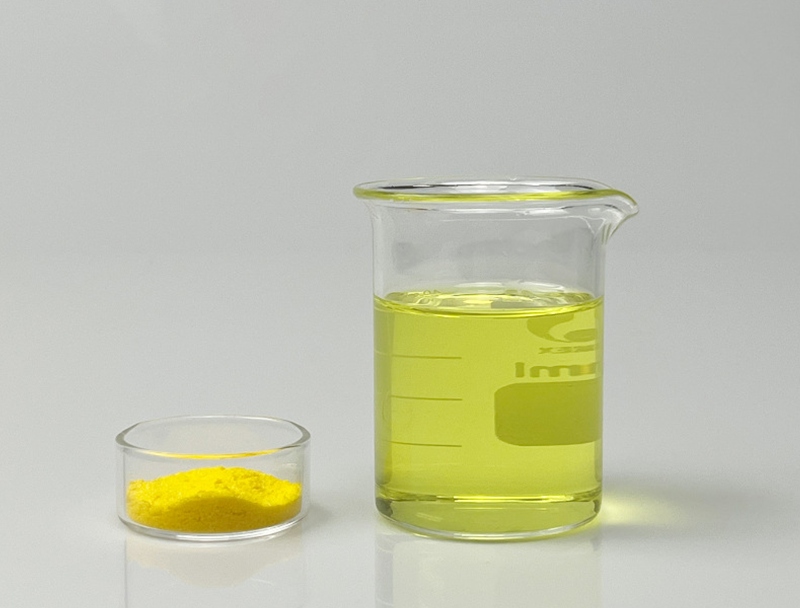
Industrial biosynthesis counts extensively on a vast array of input materials to create novel bio-derived items.
Guaranteeing ethical acquisition of feedstocks remains essential to industry resilience and responsible expansion.
a range of complications linked to historic procurement practices for instance pollution and systematic depletion of reserves. Therefore, producers should prioritize ethical sourcing models to curtail ecological damage.
- Instances of green procurement approaches are:
- Applying circular feedstocks from post-harvest streams
- Establishing regenerative loops to cut waste and elevate material utilization
- Partnering with local suppliers committed to ethical sourcing practices
Adopting sustainable feedstock strategies yields environmental wins alongside fiscal sustainability.
Maximizing Feedstock Quality for Increased Biofuel Output
Raising biofuel yields involves refining feedstock structure and content. Technologists actively pursue refinements to increase feedstock efficiency, leading to higher yields of biofuels and a more sustainable energy future. Tactics include molecular breeding to increase biomass and chemical or physical pretreatments to release sugars.
- Also, studies emphasize discovering resources such as seaweed, organic waste, and residual straw to diversify sustainable feedstock supplies for fuels.
- Owing to ongoing work the biofuel domain is primed to reach substantial milestones advancing renewable energy adoption.
Optimizing Early-Stage Biomanufacturing Processes
entails beginning production stages such as cell growth and biomass recovery Contemporary breakthroughs have refined protocols and elevated product throughput.
Significant developments incorporate advanced biological platforms, tailored medium blends, and precision reactor engineering. These advances improve throughput while lowering both operational expenses and ecological footprints.
- Similarly, continuous process trends grant superior flexibility and refined control across production stages.
- This shift towards more sophisticated biopharmaceutical manufacturing methods promises to revolutionize the industry and pave the way for faster development of novel therapeutics.

Precision Genomic Tools Enhancing Biopharmaceutical Yields
breakthroughs in precise gene modification systems have reshaped biopharma production. By accurate genomic tuning, developers enhance 4-Aminobutyric acid yields of critical biopharmaceuticals. These methods could enable production of accessible and efficient medicines tackling diverse health challenges.
Using Microbial Systems for Site-Specific Remediation
cutting-edge microbial approaches that remediate contamination sustainably. Microbial species can metabolize and convert hazardous compounds into benign byproducts.. Applying microbial remediation systems creates low-impact cleanup options that address contamination efficiently.. Analysts explore microbial consortia for targeted removal of metal toxins, pesticide residues, and petroleum contaminants.. These microorganisms can be employed in bioreactors or directly at contaminated sites, promoting the breakdown of pollutants through biodegradation processes..
Biotechnology-driven remediation delivers notable upsides compared to conventional cleanup tactics. The approach tends to lower treatment costs and avoids producing toxic residuals. Similarly, microbe-based remediation affords specificity that avoids extensive ecosystem disturbance. Advancements continue apace to increase the speed, efficiency, and applicability of microbial remediation techniques.
Data-Driven Approaches for Therapeutic Development
Computational tools have grown indispensable in the current drug discovery landscape. From predictive screening to lead refinement, computational biology underpins more efficient drug pipelines.
- By interrogating large-scale omics and clinical information, scientists find new targets and predict candidate efficacy.
- Concurrently, virtual screening and simulation shape the development of more effective therapeutics.
- Finally, data-driven informatics is changing drug development and hastening patient access to effective therapies.
Cell Factory Optimization for Higher Bioproduct Output
utilizes multiple approaches to enhance production of desirable bioproducts in cells. Techniques span CRISPR-mediated edits to reshape pathways, synthetic control elements to fine-tune expression, and gene imports to grant new biosynthetic abilities.. By optimizing cellular networks, developers can substantially boost target bioproduct output.
This multifaceted approach has the potential to revolutionize a broad range of industries, including biopharmaceuticals, agriculture, and bioenergy.
Industrializing Biopharmaceuticals: Risks and Rewards
Industrial-scale production introduces demanding hurdles as well as strategic advantages. Maintaining consistent product attributes with scale-up remains a central difficulty. Addressing it demands strong process governance, accurate real-time analytics, and advanced measurement systems.

Complexity in multi-step biomanufacturing operations presents ongoing operational challenges.. Scaling optimization is a resource-intensive task that calls for substantial innovation and study.. Yet, the returns can be substantial. Well-executed upscaling can improve therapy access, decrease costs, and enhance economic performance.
A series of measures are underway to confront these obstacles. Efforts include process-digitization tools, integrated analytics for monitoring, and fresh manufacturing paradigms.
- Product development and process R&D are pivotal to boosting production capabilities.
- Regulators are reforming approval systems to facilitate adoption of advanced manufacturing and nurture innovation.
Understanding Regulatory Oversight to Ensure Biopharmaceutical Quality
Manufacturing biopharmaceuticals entails detailed regulatory processes to copyright safety and clinical performance. Biologic therapeutics bring unique regulatory and manufacturing demands unlike traditional pharmaceuticals.
Agencies like FDA and EMA develop frameworks and criteria for validating and approving cutting-edge biotherapies..
Stringent experimental and surveillance testing occurs across the entire development-to-market continuum. These controls function to identify dangers and ensure biopharmaceuticals achieve premier safety standards..
In addition, regulatory entities adapt their frameworks to stay current with rapid research and technological developments.. Strategies include welcoming technological advances and simplifying development while prioritizing patient safety.
Assessing Plant Biomass Pathways for Bioplastic Innovation
A stronger push for environmentally responsible materials is driving research into renewable options. Bioplastics derived from plant biomass provide a viable route to more sustainable plastic alternatives. Organic feedstocks like cornstarch, cellulose, and sugarcane can be converted to compostable polymers that shrink the environmental footprint of plastics.
Also, many renewable bioplastics exhibit comparable mechanical and functional traits to conventional plastics across applications.. Sustained research efforts are necessary to optimize plant feedstocks for mass bioplastic production and enable circularity.
Biotechnology Driving Advances in Health and Agricultural Stability
Biotechnology has emerged as a powerful tool with the potential to revolutionize global health and address food security challenges. By applying gene editing, synthetic biology constructs, and cellular therapies, scientists create tools to fight disease, raise yields, and boost nutrition.. As an example, crop genetic improvements for pest and stress resistance help boost production and cut dependence on chemical pesticides.. Similarly, biotech contributes advanced vaccines, antimicrobial strategies, and diagnostic techniques crucial for infectious disease management and health advancement.. As research progresses, biotechnology holds immense promise for creating a healthier and more sustainable future for all.
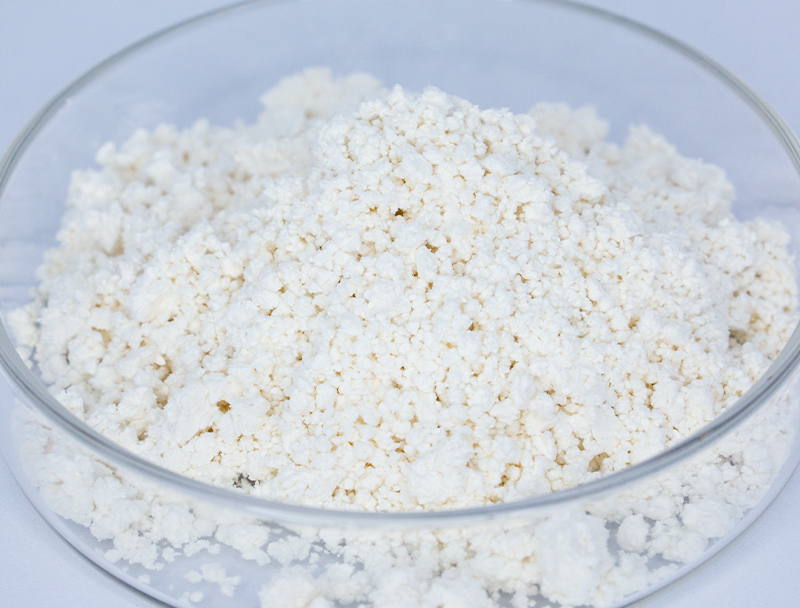 N-Acetylneuraminic acid